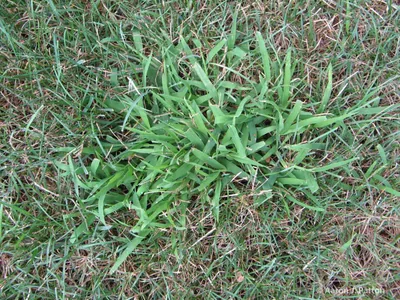
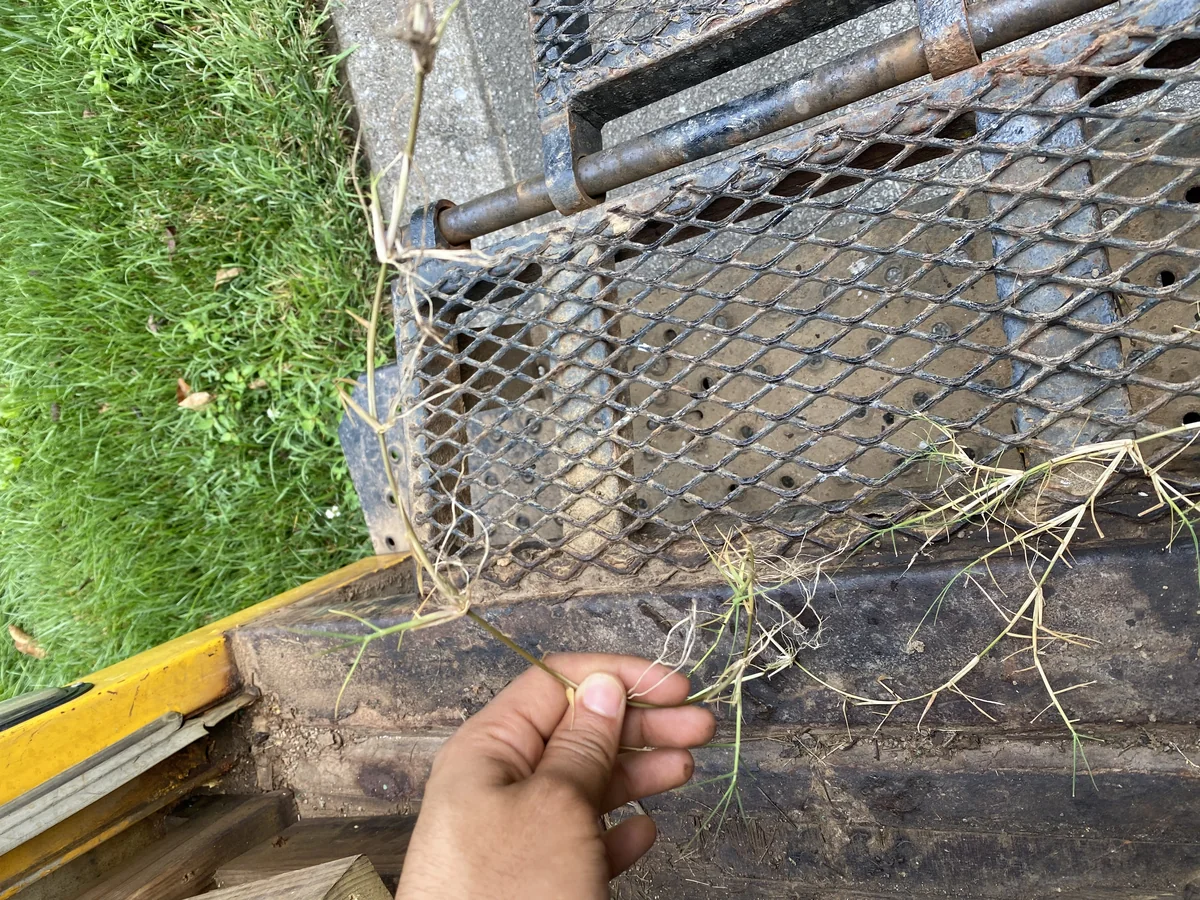
Your challenge in Triune starts with the land itself. Many properties here border active hay fields or former tobacco land, which means a constant rain of weed seeds like dallisgrass and Johnson grass blows into your yard. Our heavy clay holds moisture, creating perfect spots for yellow nutsedge in low areas. Most treatments fail because they treat the symptom you see in summer, not the lifecycle that started months earlier. My approach is built on timing. Using historical weather data for our area, I target weeds like crabgrass and spurge before they even emerge, starting critical treatments by mid-March. This early action lets me use safer chemistries at lower rates, which is better for your lawn and the environment around your home.
The Perennial Battle Plan
The toughest weeds here, like dallisgrass and Virginia buttonweed, are perennials. You can’t kill them with one summer spray. They survive winter and come back stronger. My strategy flips the script. I hit them in spring as they wake up, weakening them. Then, the real knockout happens in early fall, right around the time the hay fields are cut along Highway 31. That’s when these plants pull resources down into their roots for winter. The herbicide gets pulled down too, causing real damage. This spring-and-fall attack, repeated over 2-3 years, is the only way to eliminate them without resorting to scorched-earth tactics that leave dead patches.
Why Your Mower Isn't the Culprit
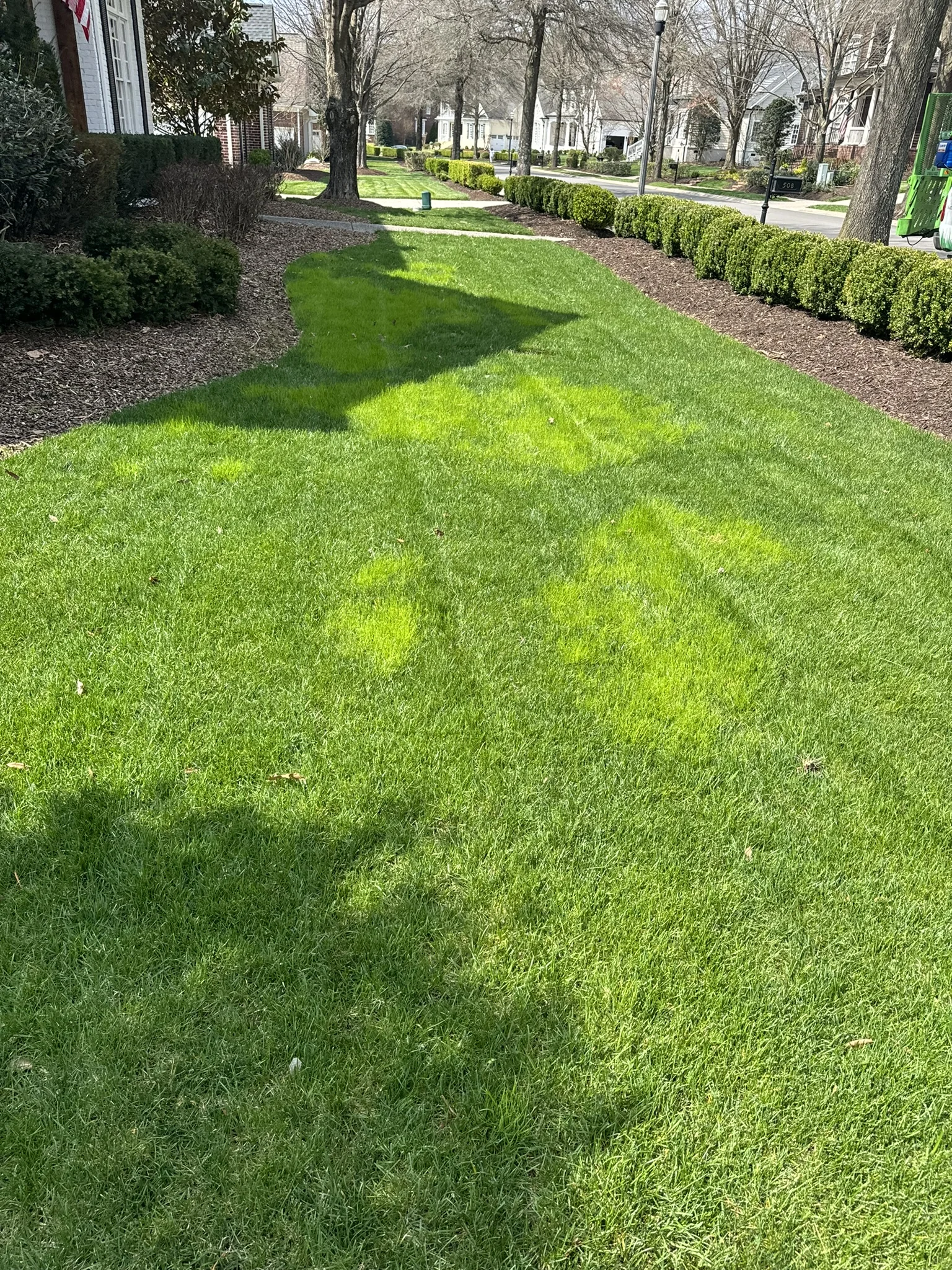
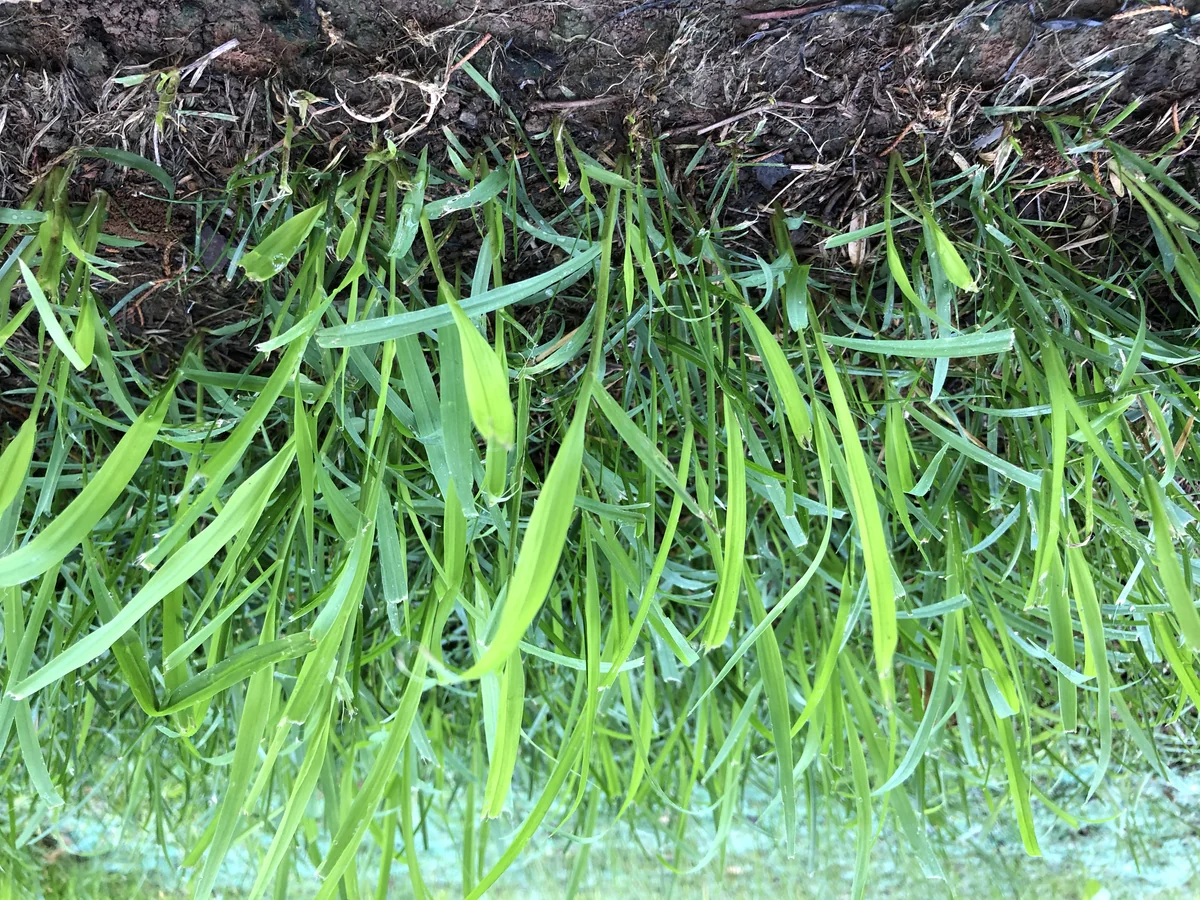
A common frustration I hear from folks near the Arrington line or in older parts of Triune is, "My mower service brought in these weeds." Usually, it's not the mower. The weeds, especially grassy ones like common Bermuda, were likely already in the soil from the original construction or from contaminated straw or seed used years ago. They simply weren't visible until the summer heat hit. My job is to build a thick, healthy stand of fescue that outcompetes them. This means proper mowing height, strategic fertilization, and a two-pass pre-emergent schedule, one in late winter, one in early fall, that provides year-round protection. A dense lawn is the best pre-emergent you can have.
The DIY Pitfall to Avoid
The biggest mistake I see is over-applying 2,4-D. It's in almost every big-box weed killer, from weed-and-feeds to liquids. The legal limit is two blanket applications per year, but without knowing, homeowners often apply it four or five times through different products. The problem is reactivation. The dew we get every morning in Triune, or a light rain, reactivates the chemical residue on your grass blades for days after you spray. This makes it far more likely to track onto shoes, pet paws, and kids' feet. My calibrated sprayers apply the right product at the exact right rate and time, eliminating this risk and providing effective, responsible control.
Why Weed Control Matters in Triune
Middle Tennessee's transition zone climate means your fescue lawn competes with both cool-season and warm-season weeds. Crabgrass, goosegrass, and nutsedge thrive in our hot summers, while henbit, chickweed, and annual bluegrass invade during mild winters. The heavy clay soils throughout Maury and Williamson counties also create thin spots where weeds establish quickly. Our weed control program addresses this full spectrum of weed pressure with seasonally appropriate treatments.