Mole Trapping for Arrington Homeowners
If you're in King's Chapel and seeing raised tunnels along your driveway or fresh dirt mounds around your young trees, you're not imagining things. Moles are a predictable headache in Arrington's newer neighborhoods, where trees planted too deep by builders five to seven years ago are now hitting a stress point that attracts them. I see this exact pattern on every service call in your area.
In Arrington, especially in newer builds like King's Chapel, your mole problem almost always starts with a tree. Builders frequently plant trees too deep, and after five to eight years, that stress triggers a biological cascade. The stressed tree produces soft, easy-to-eat roots, which becomes a buffet for grubs. Moles then move in to feast on those grubs and earthworms. What you see are the surface tunnels, most obvious along concrete edges where they have nowhere else to go, and the dirt mounds they create when they hit shallow limestone or tree roots under your lawn.
The Territory Takeover Trap
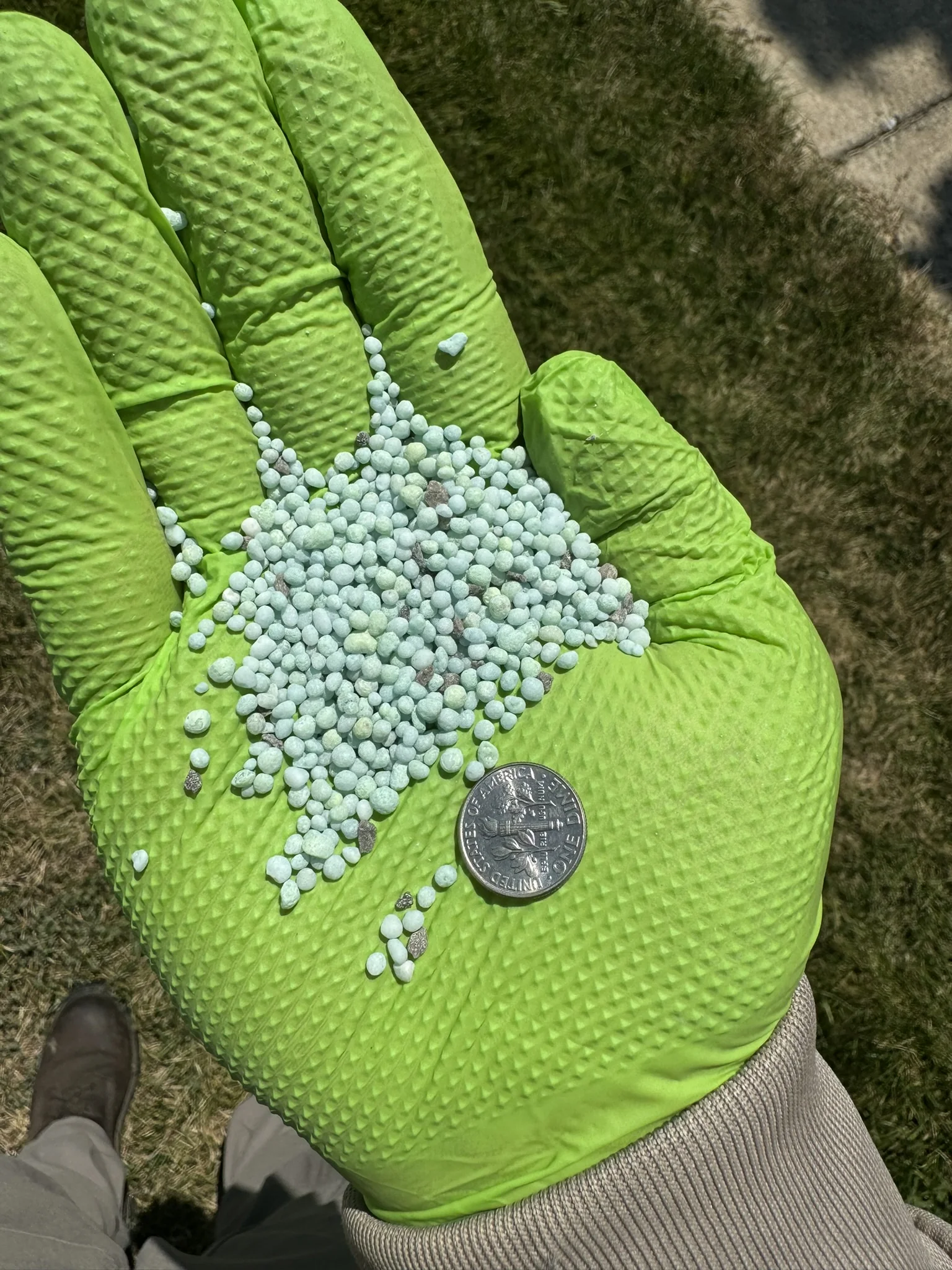
Simply killing the current mole invites another. Moles are fiercely territorial. When I trap and remove the mole in your yard, a neighbor's mole will soon patrol into that now-empty tunnel network. Finding no fight, it moves right in. That's why a one-step approach fails. My protocol addresses this: we trap the active mole, apply grub control to remove the food incentive, and place poison in the tunnels specifically for that next mole investigating the vacant territory. This three-part method is crucial for neighborhoods with connected green spaces.
Finding & Fixing the Real Cause
Trapping is effective, but the long-term fix means addressing the root cause, which is usually a stressed tree. In Arrington’s clay soils mixed with construction gravel, tree roots struggle. My trapping is done with in-tunnel, horizontal traps buried completely for safety, marked only with a flag. I look for active runs, especially those pressing through mower tire tracks or butting against your patio or sidewalk. But while we control the current population, the real solution is helping that stressed tree recover, which over one to two years breaks the grub-mole cycle for good.
What Doesn't Work Here
You might hear about castor oil or sonic spikes. In my experience, those are wastes of time and money in our climate. Castor oil smells terrible, washes out quickly, and moles return. Sonic spikes are proven ineffective. The old tale about bubble gum? It doesn't work. The only reliable method is professional trapping combined with an understanding of the local triggers. In Arrington, with its specific issues of shallow, rocky soil and builder-planted trees, a surface-level fix just sets you up for the same problem again next season.
Why Mole Trapping Matters in Arrington
Middle Tennessee's moist, loamy-clay soils are rich in earthworms and grubs, the primary food sources for moles. The region's abundant rainfall keeps soil moist and soft, making tunneling easy and productive for moles. Properties near wooded areas, creek banks, or with irrigated lawns are particularly attractive to moles. Grub control can reduce mole food sources, but trapping is necessary to remove moles already established on your property.