Aeration for Arrington Homeowners
If your King's Chapel or Westhaven lawn looked great last fall but thin and patchy now, I see that every day in Arrington. New construction soils, heavy with gravel, prevent deep rooting and cook the grassroots come June. Combine that with the high disease pressure from your neighborhood's design, and it's no wonder your fescue struggles to survive the summer.
Here’s the core issue in Arrington: your lawn isn't failing because you’re doing something wrong. It's failing because of the conditions builders created. Shallow, gravel-mixed soil heats up fast along driveways and boulevard strips. The moisture from dew lingers for hours in those microclimates between houses and tree lines, which is a perfect recipe for fungal disease. By August, the grass that survived spring is now thin, stressed, and can't recover on its own. Aeration alone won't fix that. But aeration *with overseeding* is your reset button for fall.
The Arrington-Specific Process
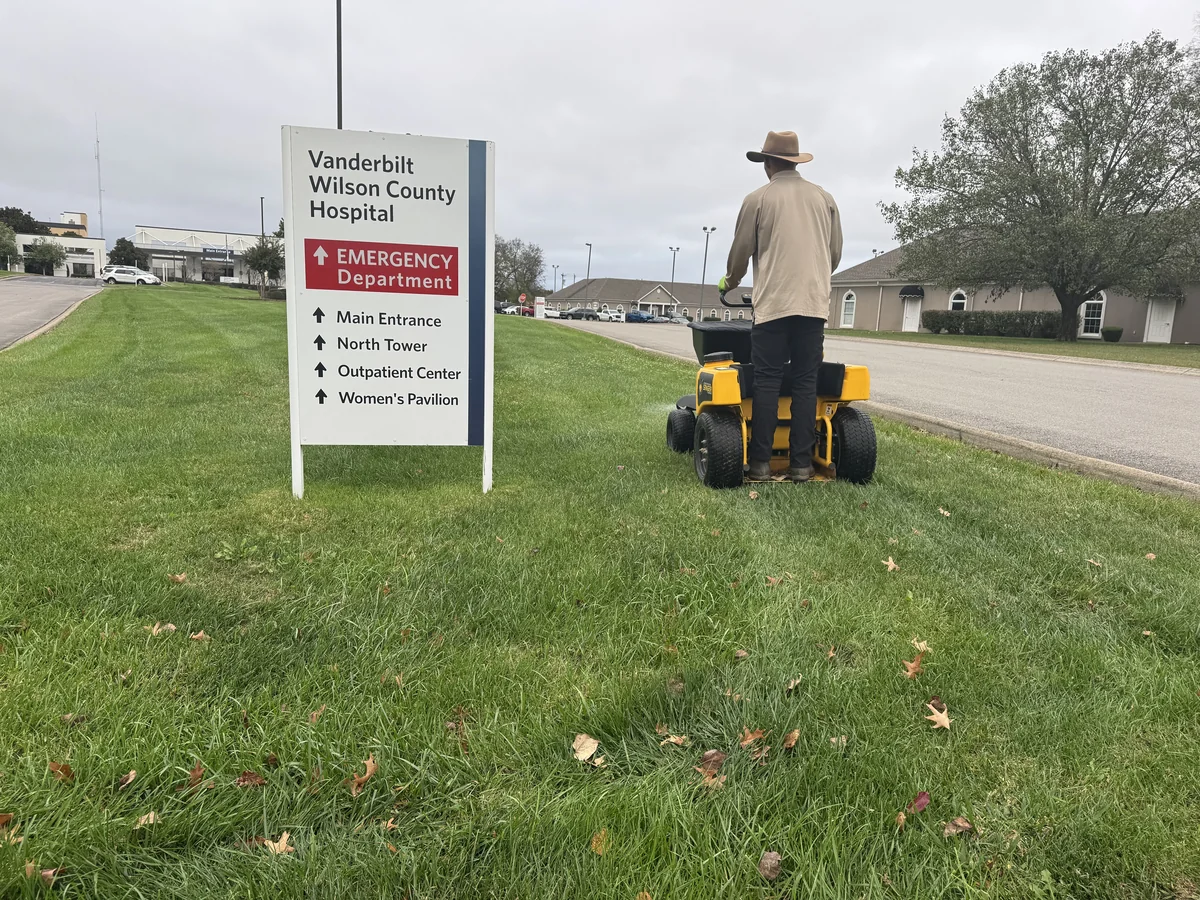
I don't just pull a core aerator in circles. I make parallel passes, then a second pass at a 45-degree diamond pattern. This creates the maximum number of holes per square foot right here on your property. Those holes are crucial for two reasons specific to your area. First, they bypass the compacted, rocky layer to get seed into actual soil. Second, in neighborhoods like Governor’s Park, they ensure that precious seed and fertilizer have direct contact with the ground, not sitting on top of thatch or Bermuda where it will die. The machine I use drops the seed directly into the holes, preventing waste on your driveway.
Seeding for Your Soil & Climate
The seed is everything. The cheap "contractor mix" often used around Arrington Vineyards estates is full of annual ryegrass and weed seeds like dallisgrass. I blend my seed based on five years of university research for our climate. I choose specific tall fescue cultivars for summer drought tolerance and brown patch resistance, which you need with our humidity, and I include a small amount of Kentucky bluegrass. That bluegrass helps the lawn self-repair divots and acts as a firebreak against disease spread, a huge benefit for lawns under tree canopy shade or with poor airflow.
Timing Is Critical Around Here
Everyone wants to wait until October, but that’s too late. The best time to aerate and seed in Arrington is September. Seed takes 7-14 days just to germinate. If you wait for "perfect" fall weather, you've missed crucial growing weeks. My process takes a few hours, and with daily watering, you’ll see new grass in 7-10 days. By seeding in September, the grass uses its own seed energy to establish before the first frost risk around mid-October. This is how you build a thicker lawn that can better handle next summer’s heat on your shallow soil.
Why Aeration Matters in Arrington
Middle Tennessee fescue lawns thin every single summer. The combination of heat stress above 90°F and the region's persistent fungal pressure — brown patch and dollar spot thriving in our humid, dew-soaked conditions — means fescue loses density every year without exception. That thinning is why annual overseeding is not optional here; it is essential maintenance. Core aeration is the best way to prepare for fall overseeding without damaging the existing grass stand, and fall is when fescue naturally wants to recover and grow. The clay soils throughout Maury, Williamson, and Davidson counties do compact and benefit from the physical channels aeration creates, but the real Middle Tennessee reason to aerate is to set up the best possible overseeding result.
Arrington Neighborhoods We Serve
We provide core aeration & liquid aeration service to all Arrington neighborhoods, including:
The Hideaway at ArringtonKings ChapelArrington RetreatArrington Ridge