About Kyllinga
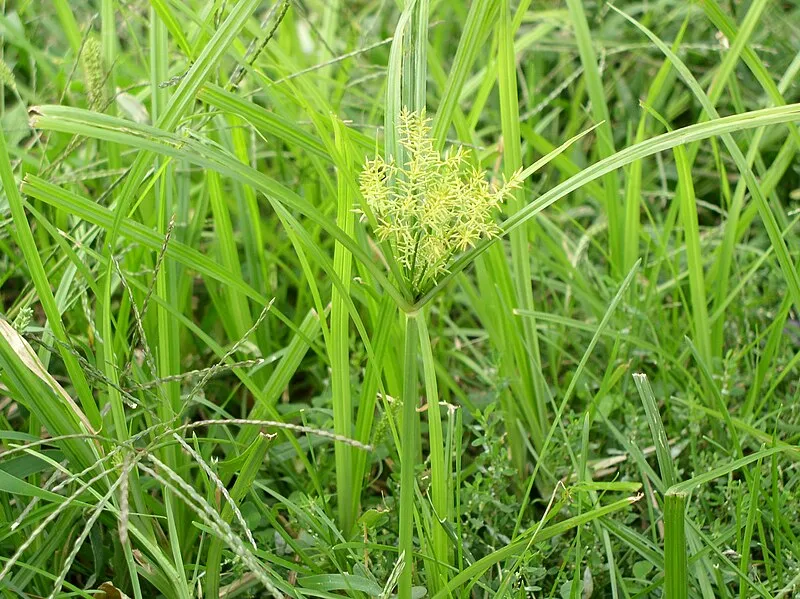
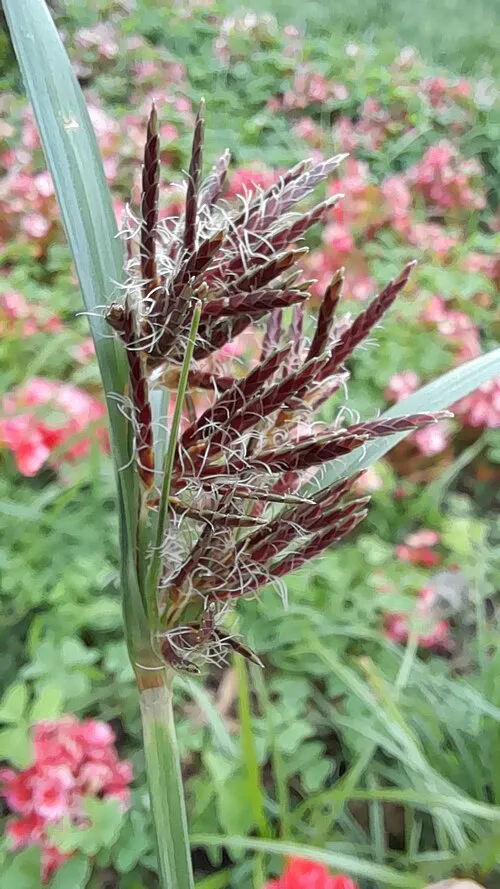
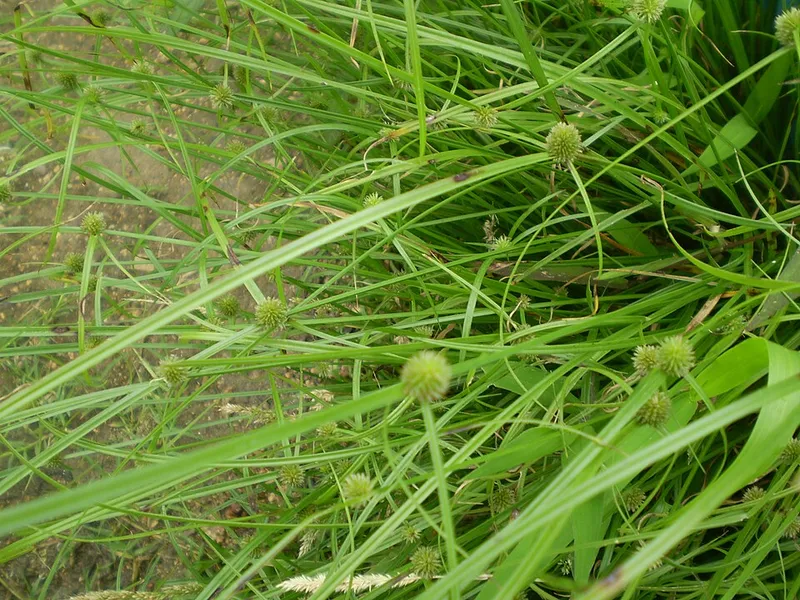
Green kyllinga (Kyllinga brevifolia) is a sedge closely related to nutsedge, with a similar triangular stem cross-section and preference for moist, poorly-drained soil. It produces small, globe-shaped green seed heads at the top of each stem and spreads aggressively via rhizomes in warm weather.
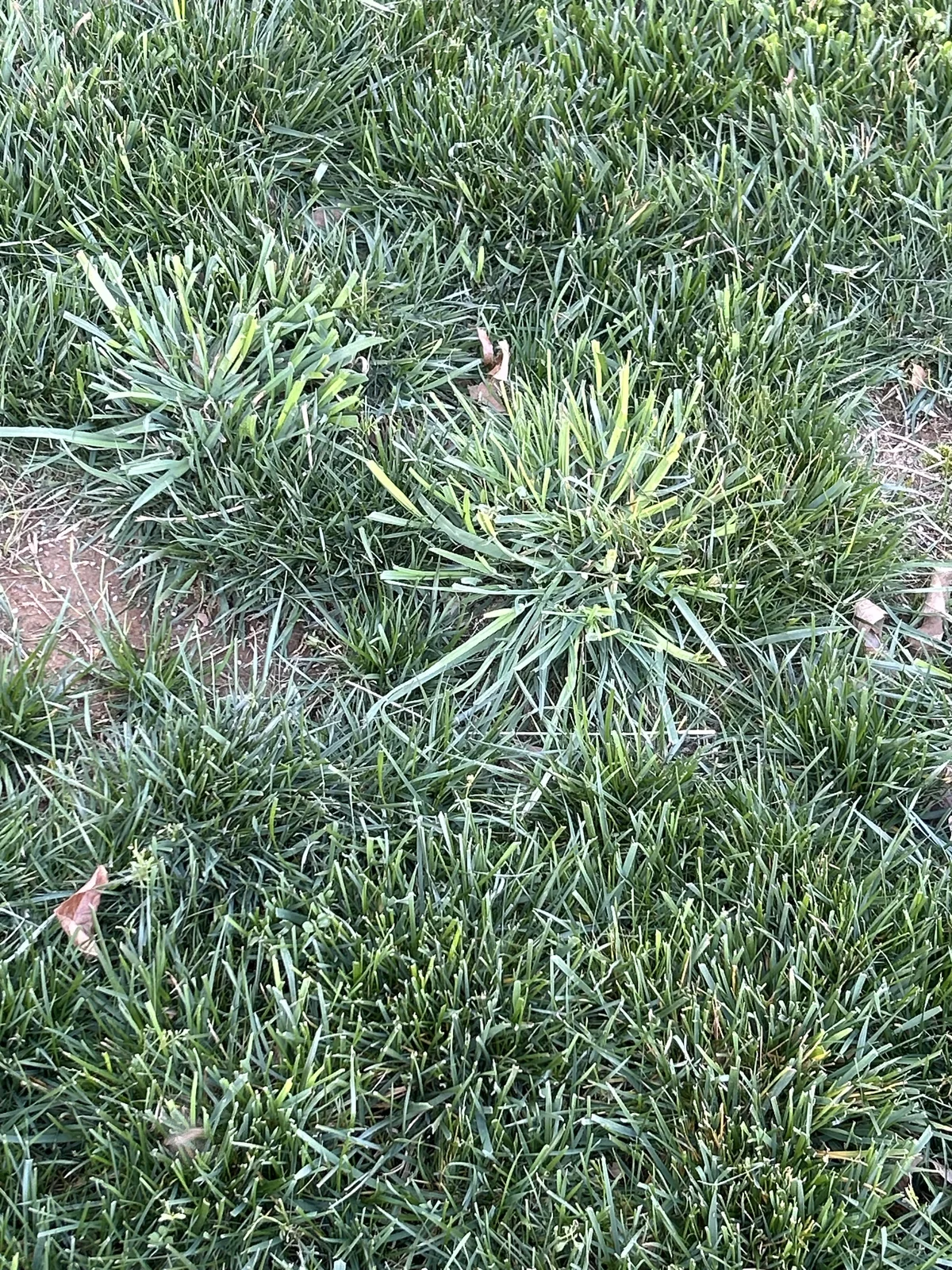
The honest assessment for Middle Tennessee: we do not really have kyllinga in our service area. It is far more common in the Deep South and coastal plain regions. If you think you have kyllinga in a Middle Tennessee fescue lawn, you almost certainly have yellow nutsedge instead, the two look somewhat similar but yellow nutsedge is dramatically more common here.
The control approach for kyllinga is similar to yellow nutsedge: early-season treatment (February through April) with chemistries that affect sedges, proper drainage management to reduce the wet conditions it needs, and disciplined multi-year follow-up for perennial persistence. The same products that control yellow nutsedge will also control kyllinga if it does appear.
If you are trying to identify a sedge-like weed in your Middle Tennessee lawn, start with yellow nutsedge as your most likely diagnosis. Purple nutsedge is the second possibility if you are in Brentwood, Belle Meade, or Franklin. Kyllinga is a distant third and would be unusual in our area.
Quick Facts
- Common Name
- Kyllinga
- Scientific Name
- Kyllinga brevifolia
- Type
- Turf Weed
- Region
- Middle Tennessee