About White Clover
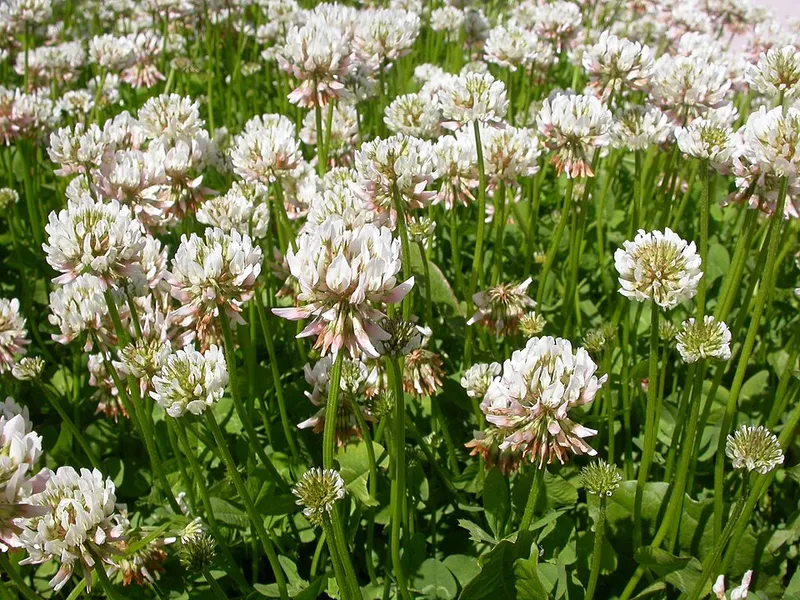
White clover (Trifolium repens) is technically a perennial, it lives for years and spreads by stolons, but it is most visible and most complained about in spring and fall when it is actively growing. It goes dormant-looking during summer heat, which means the phone calls come in seasonal waves. Spring is the heaviest complaint season; we field calls about clover within the first week or two of warm weather every year.
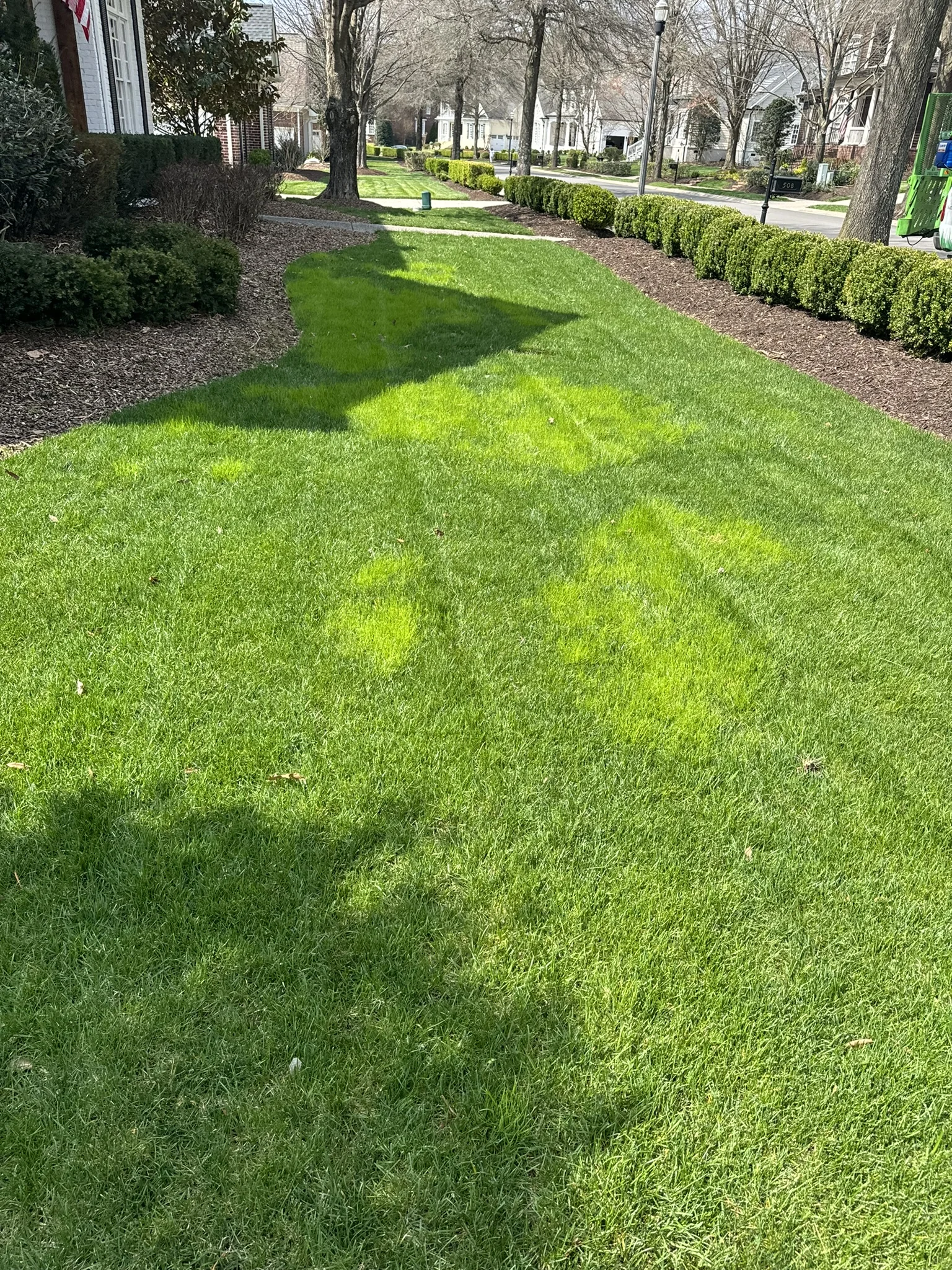
By definition, a weed is just a plant growing where you do not want it. Clover is one of the best examples of this. Some homeowners love clover, it fixes nitrogen from the air, stays green in drought, feeds pollinators, and provides a soft ground cover. For those homeowners, clover is not a weed. For homeowners who want a uniform fescue lawn, clover is a very visible broadleaf invader that stands out sharply against dark green fescue.
Clover is a dicot (broadleaf), which means it responds well to broadleaf-selective herbicides that do not harm your fescue. It is in the easy-to-control category, same tier as dandelion, plantain, and chickweed. A single well-timed application at the right rate handles it. The challenge is not chemistry, it is timing. Treating clover during active growth in spring or fall is effective. Treating in midsummer when it is semi-dormant is a waste of product.
Clover often indicates nitrogen deficiency in the soil. Because clover fixes its own nitrogen through root-nodule bacteria, it thrives in nitrogen-poor soil where fescue struggles. Sometimes the best long-term clover control is simply a proper fertilization program, once your fescue has adequate nitrogen and is growing thick and competitive, clover loses its advantage and thins out naturally even without herbicide.
Quick Facts
- Common Name
- White Clover
- Scientific Name
- Trifolium repens
- Type
- Turf Weed
- Region
- Middle Tennessee